The Wiki Grew, But Nobody Thanked the Person Updating It
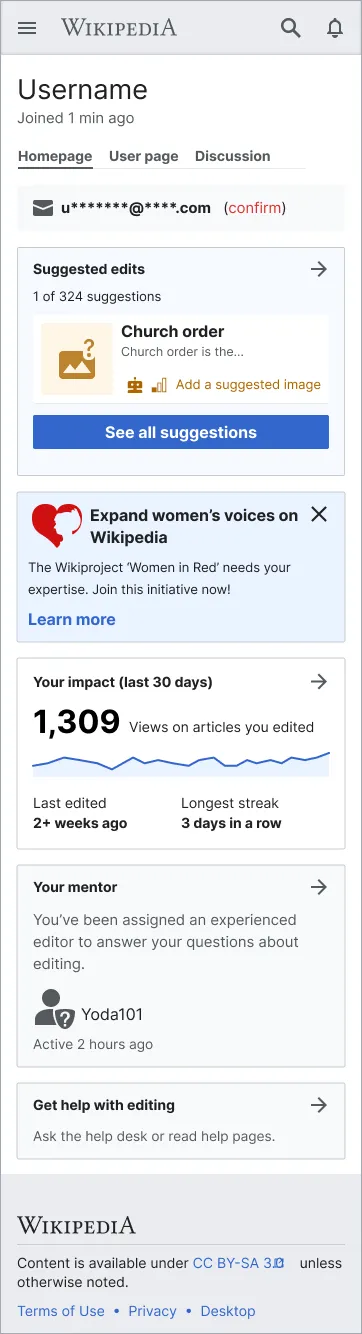
Photo: JFernandez-WMF, CC0, via Wikimedia Commons
Every small community has a creation story, and every creation story has the same shape. There was a founder. The founder had a vision, or a bad night, or a grudge against a bigger platform. The founder made a Discord, posted a link in three places, and the right twenty people showed up. Cue the anniversary post, the "day one" role, the little crown emoji next to a name that hasn't logged on since 2022.
I'm not against founders. Somebody has to start the thing. But I've spent enough time around niche communities to believe that the founding is the least interesting and least difficult part of the whole enterprise — and that our habit of celebrating it above everything else is how good spaces quietly fall apart.
The Founder Gets the Documentary; the Janitor Gets the DMs
Here's the division of labor in a typical hobby community two years in. The founder is a vibe. They appear in the announcement channel twice a year to say something warm and slightly vague. Meanwhile, someone is updating the wiki page that answers the question every new member asks. Someone is re-uploading the resource pack after the third host migration. Someone is rebuilding the meetup spreadsheet because the venue changed its deposit policy. Someone is replying to a nervous first-time poster at 11 p.m. with three paragraphs and a link to the beginner guide.
That second person's name is usually not on the banner. They might not even be a moderator. They're the janitor, in the most affectionate sense of the word: the person who notices what's broken and fixes it before anyone else has to think about it.
Origin Stories Are Cheap
A founding myth costs nothing to maintain and asks nothing of anyone. It's a story you tell. Maintenance, by contrast, is a bill that comes due every week, and it's paid in unpaid hours by people who mostly get thanked in a reaction emoji.
Worse, the myth actively distorts decisions. When a community organizes itself around a founding personality, the questions it asks become "what would the founder want" instead of "what does this place need right now." That's how servers end up with five channels nobody uses because they were important in month one, and no channel for the thing everyone actually talks about. It's how governance gets frozen: the founder's old rules become scripture, and nobody wants to be the person who proposes changing scripture.
I've watched a hobby forum spend a full year arguing about whether to allow a format its founder hated in 2019 — a format that 80% of current members use exclusively. Nobody could say it out loud, but the real blocker wasn't policy. It was reverence.
What Rot Actually Looks Like
Rot in a niche community doesn't announce itself. It looks like this: the wiki's last edit was fourteen months ago, and half its links go to a dead image host. The pinned beginner guide assumes a version of the software that no longer exists. The person who used to run the monthly meetup moved to Denver and nobody picked up the clipboard. New members arrive, ask a question, get no answer, and decide the place is dead — which, functionally, it now is.
None of that is a dramatic collapse. It's just slow attrition of the exact labor nobody foregrounds, followed by the very loud complaint that "the community isn't what it used to be." It isn't. It's what happens when you spend your cultural energy honoring the people who built the house and none of it on the people patching the roof.
Change the Ceremony
The fix isn't complicated, but it does require changing what gets celebrated. A few things I'd love to see become standard:
- Credit the edit, not just the launch. Wiki contributors get named. The person who fixed the broken resource link gets a shout-out in the same breath as the anniversary post.
- Rotate the boring jobs. Maintenance shouldn't be one saint's personality. Split the wiki, the calendar, the welcome thread, and the link check across five people so nobody becomes a single point of failure.
- Give newcomers a real job early. The fastest way to convert a lurker into a maintainer is to hand them something small and specific — own one wiki page, greet on Tuesdays, keep the FAQ current.
- Retire the founder story. Keep the history, lose the scripture. "Here's how we started" is fine. "Here's why we can never change" is a rot accelerant.
The Boring Engine
Niche spaces are sold to us as products of passion, and passion is a founding emotion — big, photogenic, easy to narrate. But what actually keeps a small community alive past its second year is something far less cinematic: a person remembering to water the plants.
So here's the argument, plainly. If you run a space and you want it to last, stop asking who started it and start asking who's holding it up this week. Then thank them, publicly, by name, before they quietly decide nobody would notice if they stopped.