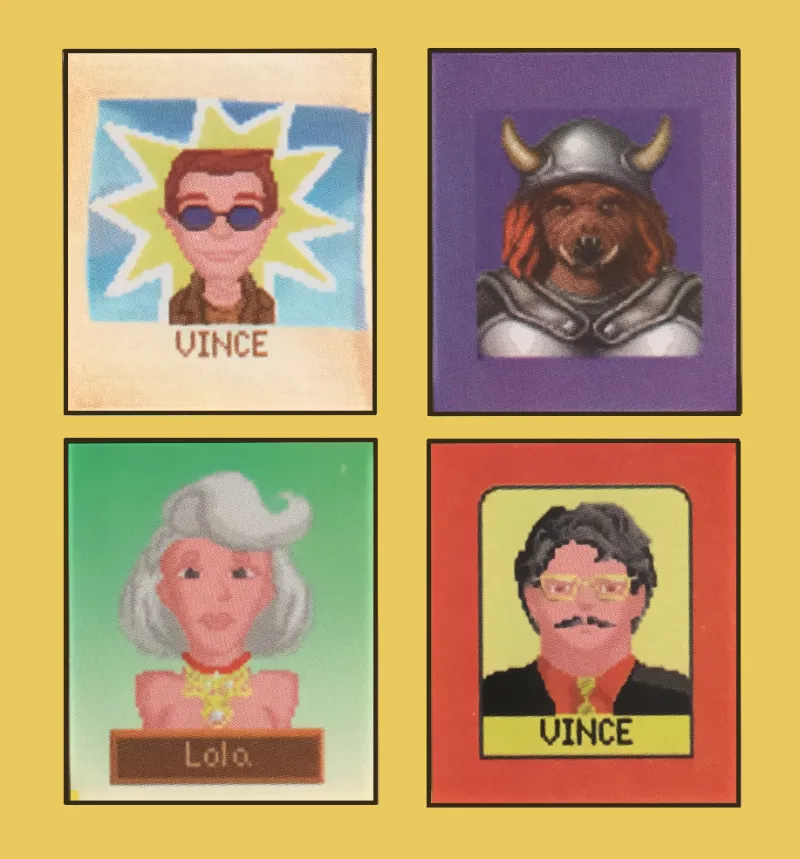
Avatar to Handshake: Inside the Small Cons Where Everyone Already Knows You
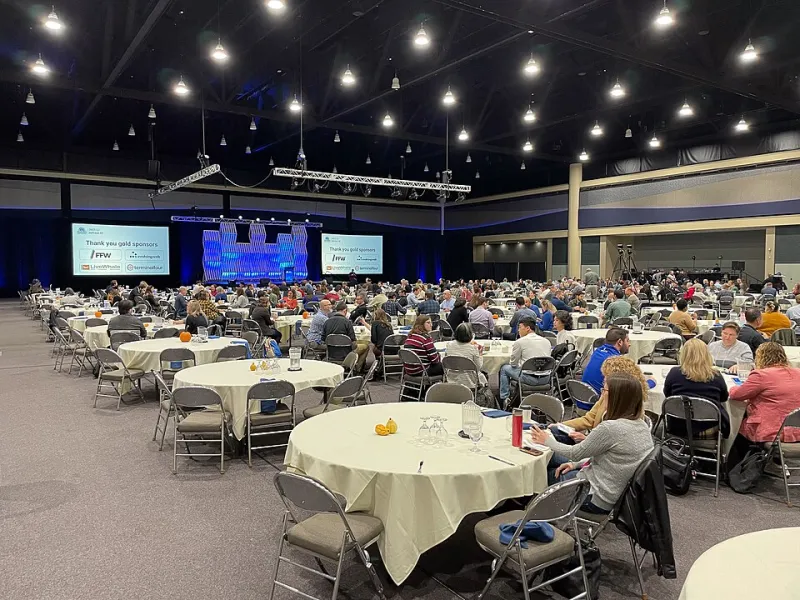
Photo: Kenneth C. Zirkel, CC BY 4.0, via Wikimedia Commons
There's a moment at every small convention that outsiders would find completely unremarkable and regulars describe as life-altering. It happens about an hour into day one, somewhere near the badge table. Someone squints at a nametag, looks up, and says a version of the same sentence: "Wait. YOU'RE the person who wrote the switch-lube guide."
And then two people who have exchanged roughly nine thousand messages over six years hug each other for the first time.
The 400-Person Ballroom Problem
Big cons get the coverage. San Diego, PAX, Gamescom — the spectacles, the lines, the celebrity panels. But the most emotionally concentrated experiences in gaming and maker culture happen at the other end of the scale: the regional expos and single-topic gatherings where attendance could fit inside a mid-size Denny's.
Think vintage mechanical keyboard meetups in a Hyatt ballroom outside Columbus. A one-day retro handheld gaming swap meet in a New Jersey VFW hall. A regional synthesizer and chiptune gathering that sells out at 600 badges and has never once needed to advertise.
These events share a strange structural property: everyone in the building already knows everyone else — just not their faces. The community spent years building shared context in Discord servers, forums, and group chats. The convention doesn't create the relationships. It validates them.
The Voice Reveal Is Real
Ask anyone who's been to one of these gatherings and they'll tell you about the voice thing. You've read a person's posts for half a decade. You've absorbed their humor, their opinions, their typing cadence. Then they open their mouth and the whole mental model has to be rebuilt in about four seconds.
"She sounds like a Midwestern mom, and I'd have sworn she was a 22-year-old guy from Berlin," one attendee told me at a keyboard expo, still visibly recalibrating. "It took me a whole conversation to stop being weird about it."
There's a specific awkwardness to this negotiation. Online, you control your presentation with total precision. In person, your avatar gets overwritten by a human with a nervous laugh and a lanyard. Some people find it liberating. A few find it quietly devastating. Most describe it as both at once.
Why Cheap Cons Hit Harder
Here's the counterintuitive part: the smaller and cheaper the event, the more overwhelming it tends to be.
A $2,000 media convention is a transaction. You paid, they provided, everybody goes home. A $40 regional meetup is something closer to a family reunion for a family that didn't know it existed. Nobody's there to network strategically. They're there because the thing they love — the thing their coworkers glaze over at lunch — is the only topic in the building.
The economics of these events are absurdly lean. Organizers talk about hotel blocks, donated raffle prizes, and the eternal gamble of whether the vendor tables will cover the ballroom rental. Profit isn't really the point. Breaking even and throwing the after-party at someone's room is the point.
The Rules of the First Meeting
Every community develops its own etiquette for the avatar-to-human transition, and it's worth writing some of it down:
- Use the display name, gently. Many people will introduce themselves with both their handle and their real name. Follow their lead. Don't shout someone's handle across a hotel lobby unless they've invited that.
- The guide-writer owes you nothing. Yes, they answered forty of your questions in 2021. Lead with thanks, not with your follow-up question.
- Read the room on photos. Plenty of people attend these events partly to be anonymous. Ask before tagging.
- Let people be different in person. The server lurker might be the ballroom social butterfly. The loudest poster might spend the whole weekend quiet. Both are fine.
The Sunday Night Problem
Every small con ends the same way: a lobby full of people delaying goodbye, then the drive home, then the server, where the same people are typing again within hours. But something has changed. The text is warmer. The jokes land faster. There's a shared reference pool now that includes a physical place.
Organizers will tell you the post-con week is when communities either deepen or splinter. The ones that deepen do it deliberately — photo threads, a pinned recap, a date on the calendar for next year before anyone leaves the parking garage.
The internet is very good at letting people find each other. What it's bad at is finishing the job. A ballroom with 400 people who all care about the same absurdly specific thing is, honestly, one of the last places left where a stranger is guaranteed to understand you by the end of a single conversation. That's not a convention. That's a miracle with a cash bar.