Back From the Dead: What Happens When a Forgotten Fandom Gets Rediscovered by Strangers

Photo by Photo by nik radzi on Unsplash on Unsplash
There's a particular kind of online experience that doesn't have a clean name yet. You've been part of a small community for years — maybe a forum dedicated to a mid-2000s PC game nobody remembers, or a subreddit for a canceled TV show with forty thousand members who all feel like they personally knew each other. Things are quiet. Comfortable. The same dozen people post, the same inside jokes circulate, and there's a kind of peace in the smallness of it.
Then one day, a TikTok goes viral. A Twitch streamer stumbles onto the thing. A Reddit thread hits r/all. And suddenly your tiny corner of the internet has ten thousand new visitors who've never heard of the lore, don't know the etiquette, and are absolutely thrilled about something you've been sitting with for a decade.
This is niche resurrection. And it's one of the stranger phenomena the modern internet keeps producing.
The Mechanics of a Comeback
Dead niches rarely come back the same way they went dormant. Usually, the original community shrank gradually — the core audience aged out, the platform they lived on became uncool, or the thing they loved just stopped getting new content. The passion didn't disappear, it just compressed into a smaller and smaller group of deeply committed people.
Revival almost never comes from within. It comes from cross-pollination — some adjacent community bumping into the forgotten thing and dragging it back into the light. The pathway matters a lot here.
Take the case of certain retro video game modding scenes. Games from the late 90s and early 2000s that had active modding communities at launch — think niche RPGs, forgotten strategy titles, early survival games — often saw those communities dwindle to skeleton crews by the mid-2010s. Then speedrunning culture exploded on Twitch, and suddenly people were hunting for obscure, broken, interesting games to run. Some of those forgotten titles had mechanics that made them perfect speedrunning candidates, and overnight, mod archives that hadn't seen a new download in years were getting thousands of hits.
The original modders — some of whom had kept servers running basically out of stubbornness — suddenly had an audience again. Not the audience they built for, but an audience.
TikTok as the World's Weirdest Revival Machine
If there's one platform that has mechanically accelerated niche resurrection in the last five years, it's TikTok. The algorithm doesn't care about recency the way Twitter or Instagram does. A video about a 1987 board game can perform just as well as one about something that dropped last week, which means genuinely obscure stuff gets surfaced constantly.
The "cottagecore" aesthetic wave a few years back pulled in spinning wheels, natural dyeing, and hand-stitching communities that had been operating in quiet corners of Tumblr and Pinterest for years. Suddenly teenagers in the Midwest were asking sixty-year-old fiber arts enthusiasts for beginner tips. The fiber arts forums — some running on software that hadn't been updated since the Obama administration — saw registration spikes they hadn't experienced in a decade.
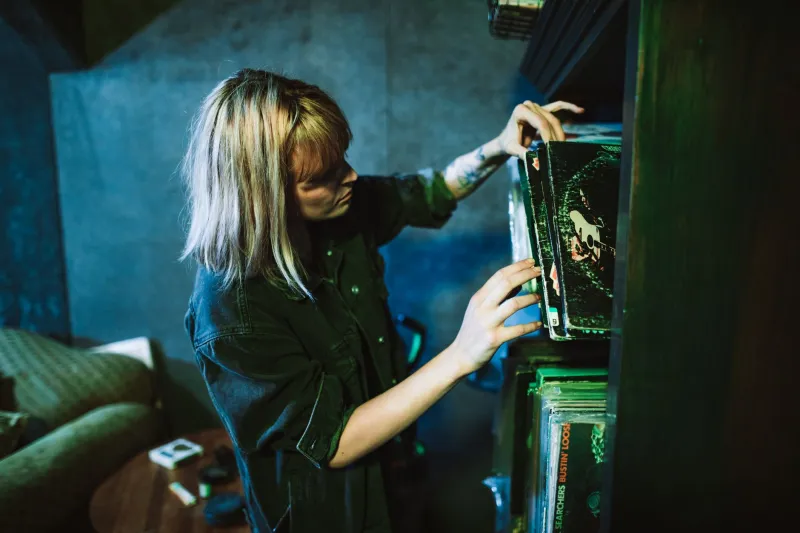
Similarly, the vinyl record collecting community has gone through multiple TikTok-driven surges, each one pulling in younger collectors who then discover the dense, opinionated subculture that already existed. Pressing variants, original pressings versus reissues, the regional quirks of certain labels — all of this pre-existing knowledge suddenly had a new generation of people hungry to absorb it.
What the Original Gatekeepers Actually Feel
Here's where it gets complicated, and honestly, pretty human.
The people who kept a niche alive through its dormant years have a specific relationship to it. They weren't just fans — they were caretakers. They answered the same newbie questions over and over on dead forums. They maintained wikis nobody read. They kept Discord servers active with eight people. The niche wasn't just something they liked; it was something they tended.
When outsiders arrive en masse, the emotional response is rarely simple. There's genuine joy — finally, people get it, the thing deserves attention, maybe there will be new content or new products or just new conversation. But there's also something that feels uncomfortably close to grief.
The insider knowledge that defined your place in the community is suddenly less rare. The terminology you developed gets misused. Newcomers confidently make claims that anyone who'd been around for three years would immediately recognize as wrong. And perhaps most painfully, the intimacy of the small community — that thing where everyone knew everyone — evaporates almost instantly.
Long-time members of revived communities often describe a strange displacement. They're still there, still knowledgeable, but they feel somehow less central than they did when the community was tiny. The caretaker identity doesn't translate cleanly into a large, bustling fandom.
When Revival Actually Kills the Thing
Not every resurrection story has a happy ending. Sometimes the influx of new energy fundamentally changes what the community was, to the point where original members stop recognizing it.
This happens most visibly in collecting communities. When something goes from obscure hobby to mainstream trend — vintage Pyrex, certain sneaker lines, specific eras of Lego sets — prices spike, availability drops, and the casual joy of the hunt gets replaced by a more mercenary energy. People who got into vintage ceramics because they genuinely loved mid-century design and could afford to thrift it regularly find themselves priced out of the hobby they helped popularize.
The community survives, technically. But it's a different community. The vibe shifted. The unspoken agreements that governed behavior — don't hoard, share finds, welcome beginners generously — get overwhelmed by the sheer volume of people who never learned those norms.
The Upside Nobody Talks About Enough
For all the complications, there's a real and underappreciated upside to niche resurrection that deserves some airtime.
Dormant communities often have incredible, dense, well-organized knowledge just sitting there — wikis, forums, archived tutorials, documented history. When new people arrive with enthusiasm and energy, they often become the ones who migrate that knowledge to modern platforms, make it searchable, translate it into video or short-form content. The old guard provided depth; the newcomers provide distribution.
Some of the best documentation of obscure gaming history, forgotten TV shows, and defunct subcultures exists because a revival brought in someone with video editing skills and a YouTube channel who decided to tell the story properly.
The original community's knowledge gets preserved in a way it never would have been if the niche had just quietly continued shrinking.
The Thing About Ownership
Ultimately, niche resurrection forces a question that most passionate communities would rather not confront: does a community own the thing it loves?
The honest answer is no, not really. A fandom doesn't own a game, a show, a collecting category, or an aesthetic. But the culture that grew up around it — the etiquette, the vocabulary, the values — that was genuinely built by the people who stayed. That part is theirs in a meaningful way.
The healthiest revivals happen when incoming fans are curious about that culture rather than indifferent to it. When they ask questions instead of assuming. When they recognize that the quiet people who kept the lights on during the lean years actually know something worth learning.
And the most resilient original communities are the ones that can hold space for both things at once — pride in what they built, and genuine openness to what it might become.