When Loving It Costs Too Much: The Price Problem Eating Niche Hobbies Alive
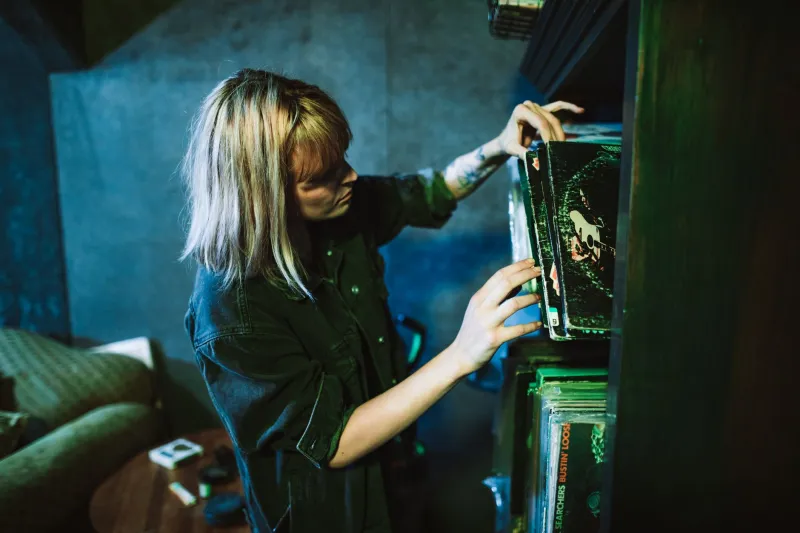
There's a specific kind of sting that longtime collectors know well. You're scrolling through eBay, or a Discord server's buy-sell channel, or some dusty corner of a subreddit — and you find the thing. The exact thing you've been hunting for two years. And then you see the number next to it, and something in your chest just... deflates.
This is the collector's paradox. The deeper you go into a niche hobby, the more you love it — and the more loving it costs. It's a tension that's reshaping communities from retro gaming to indie vinyl collecting to sports card culture, and it's worth talking about honestly, because a lot of people in these spaces are quietly burning out behind their enthusiasm.
The Market Found Your Hobby (And It Did Not Come Alone)
For a long time, niche collecting existed in a comfortable obscurity. The people who cared about, say, complete-in-box Super Nintendo games or original pressings of lo-fi cassette releases were few enough that the prices stayed manageable. You could find deals. You could build a collection on a regular person's budget if you were patient and persistent.
Then a few things happened more or less simultaneously. YouTube and TikTok turned collecting into content. A wave of nostalgia — turbocharged by pandemic boredom — sent a new wave of buyers into markets that weren't built to absorb them. And investors, who genuinely do not care about the hobby itself, showed up with grading services and portfolio logic and started treating Pokémon cards and sealed NES games like commodities.
The result is a market that looks like fandom on the surface but functions like finance underneath. A sealed copy of Stadium Events for the NES — once a curiosity — now regularly sells for five figures. First-press vinyl from cult indie bands that used to circulate among fans for $30 or $40 now shows up on Discogs for $200 or more. The thing that made these objects meaningful — their connection to a specific community of people who actually loved them — gets quietly drained out as the price climbs.
The Old Guard vs. The New Money
Spend any time in these communities and you'll notice a generational fault line running through them. There's a cohort of longtime hobbyists who got in early, built collections when prices were sane, and now hold assets that have appreciated dramatically. And then there's everyone who came after — people who fell in love with the same stuff but arrived too late to participate in the same way.
This creates a weird dynamic. The old guard often has complicated feelings about the appreciation. On one hand, the stuff they love is worth something now. On the other, the community that gave those objects meaning is getting hollowed out. New collectors who can't afford to buy anything meaningful drift away. The conversations in forums and Discord servers shift from "look at this cool thing I found" to "look at this PSA 10 I just flipped."
Some veterans will tell you, with genuine sadness, that the hobby stopped being fun around the time it started being profitable. That's not a universal experience — plenty of collectors have found ways to stay grounded — but it's common enough to be a real cultural phenomenon.
Workarounds, Workarounds, Workarounds
The communities that are surviving this pressure best are the ones that have consciously built alternatives to the prestige economy. In vintage gaming spaces, that looks like a renewed appreciation for "player copies" — games that are worn, stickered, missing manuals, and therefore still affordable. The argument is that a game you can actually play is worth more than a sealed box you're afraid to breathe on.
In music collecting, some communities have pushed back hard against the Discogs price spiral by organizing local record swaps, encouraging tape trading, and celebrating bootlegs and unofficial releases that the secondary market hasn't colonized yet. There's a whole subculture of people who specifically seek out the stuff that hasn't been discovered by the investment crowd.
Others have moved toward digital preservation and emulation — which is its own complicated conversation legally and culturally, but which has allowed a lot of people to stay connected to the hobby even when the physical objects are out of reach. The argument you'll hear in these spaces is that loving the games or the music matters more than owning a specific physical artifact, and that the community is what actually holds the value.
When Exclusivity Becomes the Point
Here's where it gets uncomfortable. Some corners of collecting culture have leaned into the price barrier rather than pushing back against it. There are communities — you can find them on Reddit and Discord if you look — where the implicit flex is that you can afford to be here. Where a "beginner" collection worth a few hundred dollars gets subtly condescended to and a graded, slabbed, insured collection worth tens of thousands is the mark of a serious hobbyist.
This is gatekeeping through economics, and it's corrosive in ways that are hard to fully articulate. It doesn't just exclude people with less money — it redefines what the hobby is for. When the community's identity becomes organized around scarcity and investment value, the actual experience of engaging with the thing you all supposedly love starts to feel secondary. The conversation becomes about what something is worth rather than what it means.
And it tends to be self-reinforcing. As the culture shifts toward financial seriousness, the people who were there for the love of the thing get quieter, participate less, eventually disappear. The community that remains is more homogenous, more transactional, and less interesting — even if it's sitting on a collectively impressive portfolio.
What Actually Gets Preserved
The hopeful version of this story is that niche communities are resilient in ways that markets can't fully predict. The things that make a hobby meaningful — the weird knowledge, the shared language, the genuine enthusiasm for obscure corners of culture — are harder to commodify than the objects themselves. You can price someone out of owning a complete EarthBound cartridge, but you can't price them out of caring deeply about that game.
The communities that seem to be navigating this best are the ones staying honest about the tension. Acknowledging that yes, prices are rough right now, that not everyone can participate the way they used to, and that the hobby's health isn't measured by what a graded copy of something sells for on any given Tuesday.
If you're in one of these spaces and feeling the squeeze, that frustration is legitimate. The hobby didn't fail you — the market just showed up uninvited. Finding the people who still care about the thing itself, not the asset it represents, is still possible. It just takes a little more digging than it used to.